Buying a new home is one of the most exciting experiences in life. And if you’re like most homebuyers, you’ll be planning your furniture placement and decor before the ink dries on your
Dated: March 8 2023
Views: 13
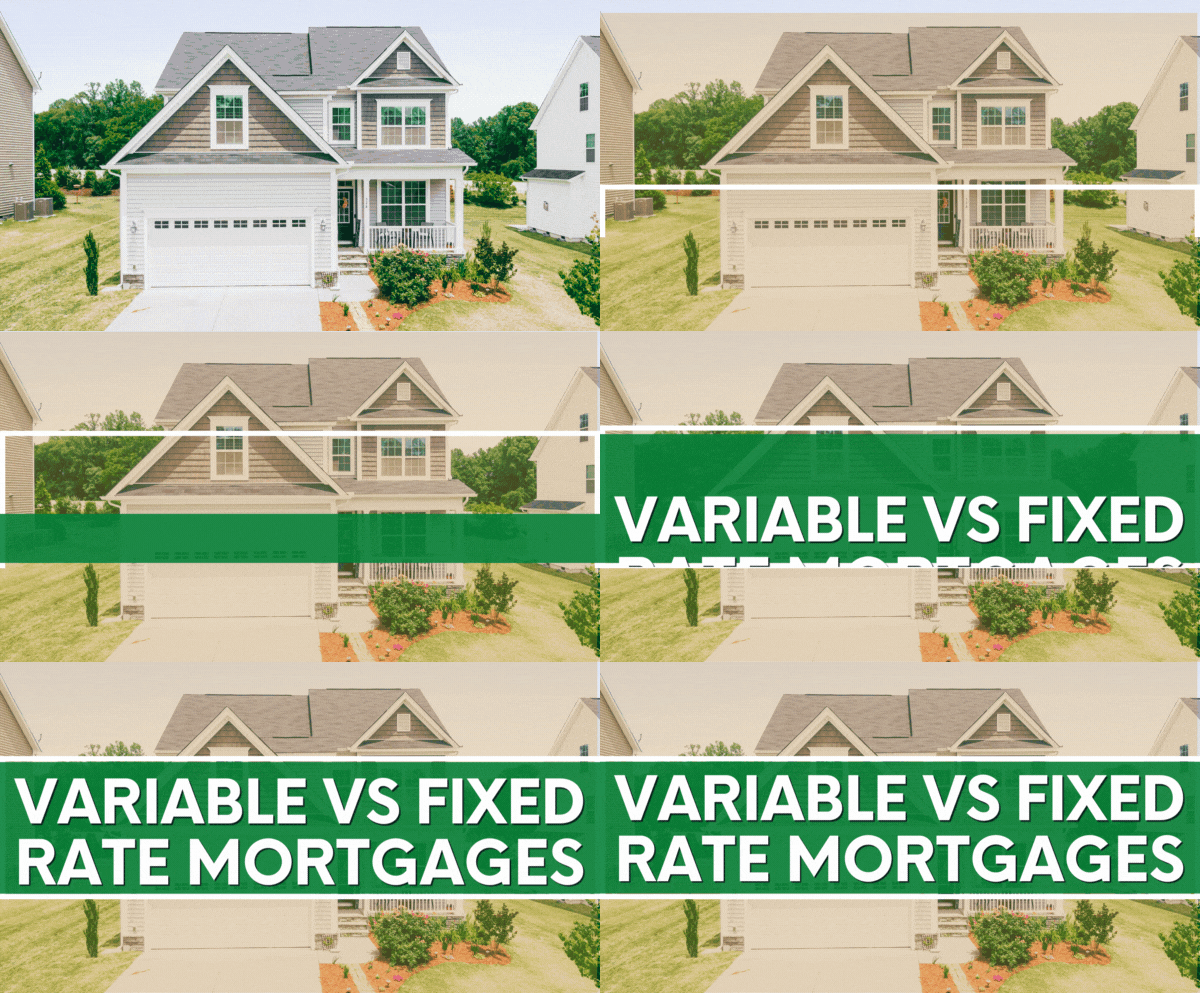 When it comes to buying a home, one of the most important decisions you'll have to make is choosing between a fixed-rate mortgage (FRM) or a variable-rate mortgage (VRM). Understanding the differences between these two types of mortgages can help you make an informed decision that suits your financial situation and goals.
Fixed-Rate Mortgage
In Canada, a fixed-rate mortgage is a popular choice for many homebuyers due to its stable and consistent monthly payments. With an FRM, your interest rate remains fixed for the duration of your loan term, meaning your monthly payment remains the same regardless of fluctuations in the market.
FRM: Predictability
This predictability is advantageous for homeowners who want to budget and plan their expenses without worrying about changes in their mortgage payment. This stability can also help protect you from interest rate hikes, which could cause your monthly payment to increase significantly.
Variable-Rate Mortgage
On the other hand, variable-rate mortgages come with a variable interest rate, which can fluctuate based on market conditions. This means your monthly payments could change throughout your loan term. While VRMs often come with a lower interest rate than FRMs, this can also mean that monthly payments can increase substantially if interest rates rise.
VRM: Unpredictability
The unpredictability of VRMs can make budgeting and planning more challenging. However, they can be advantageous for those who want to take advantage of potentially lower interest rates and are willing to accept the risk of fluctuating monthly payments.
VRM: Example
For example, if you plan on selling your home in the near future, a VRM could offer potential savings without exposing you to significant risk if you're not planning to hold onto the mortgage for the long term. Additionally, if you have the financial flexibility to handle a higher monthly payment if interest rates rise, a VRM could save you money over the life of the loan.
FRM: Example
Conversely, if you're looking for stability and predictability, an FRM may be the better option. This is especially true if you're on a tight budget and need to plan and budget carefully. An FRM provides peace of mind knowing that your monthly payments will remain the same throughout your loan term.
Conclusion
In conclusion, choosing between an FRM and a VRM requires careful consideration of your financial situation, goals, and risk tolerance. While both types of mortgages have their advantages and disadvantages, choosing the one that best suits your needs can help you achieve your dream of owning a home.
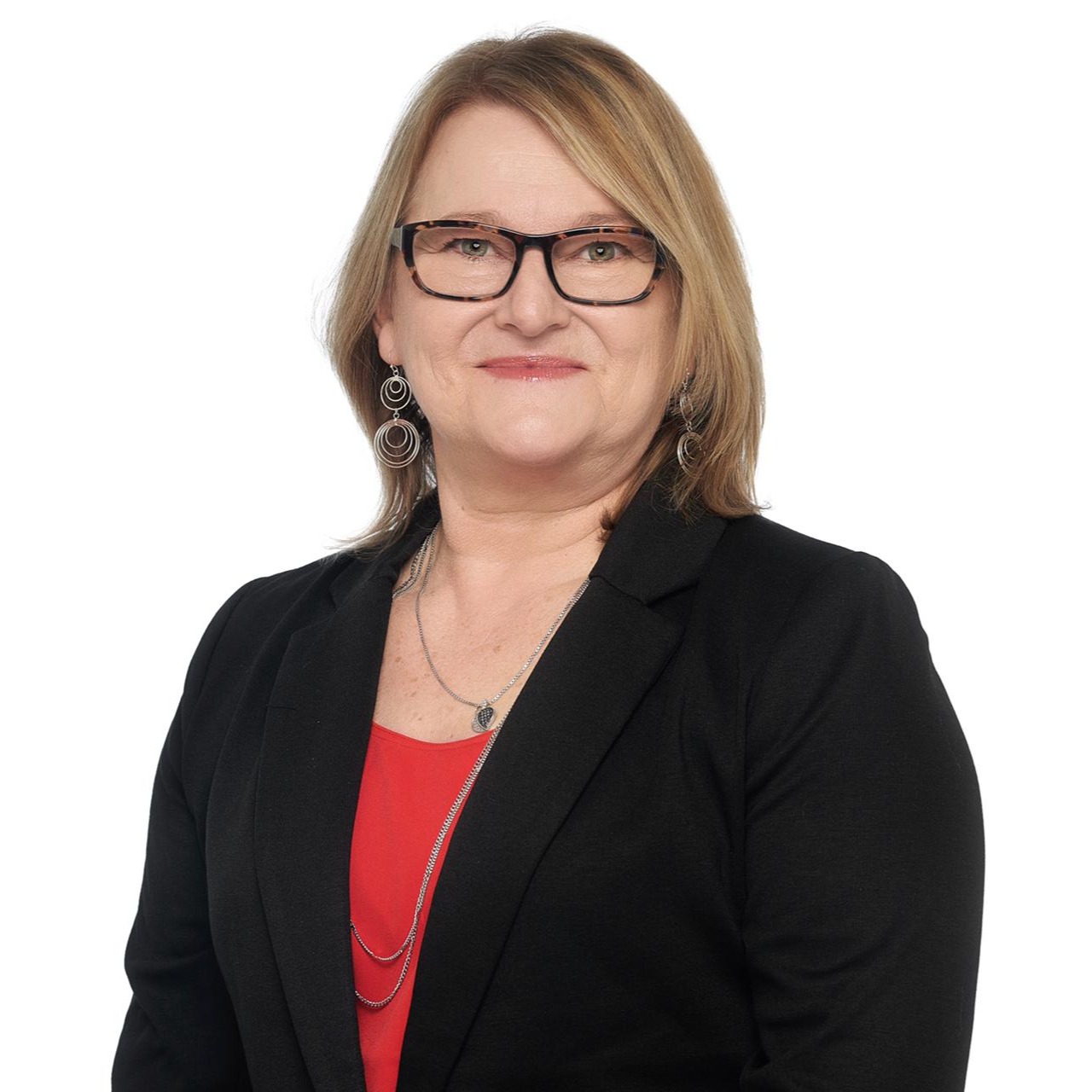
Lydia Penner is your Winnipeg neighbourhood specialist and she makes selling your home a smooth experience. Lydia has been serving the North Kildonan and North East areas in Winnipeg for over 17+ year....
Buying a new home is one of the most exciting experiences in life. And if you’re like most homebuyers, you’ll be planning your furniture placement and decor before the ink dries on your
If the thought of investing your money into brick and mortar—or perhaps some stylishly-painted siding—excites you, join the club.Investing in real estate has long been one of Canadians'
https://www.youtube.com/shorts/gV9BT_51G_kAre you considering selling your home? Or maybe you're just curious about its value?This blog post is intended to help you get ready and understand the
https://youtu.be/ybagNBzPHKE?si=9wIf6OhB85zUmUOJTop 7 Tips To Attract the Best Offers for Your Home Not long ago, home sellers were in their heyday, as historically-low mortgage rates triggered

The listing data displayed is deemed reliable but is not guaranteed accurate by CREA®. Data last updated on September 23, 2026 3:09 PM UTC The trademarks REALTOR®, REALTORS®; and the REALTOR® logo are controlled by The Canadian Real Estate Association (CREA®) and identify real estate professionals who are members of CREA®. Used under license. The trademarks MLS®, Multiple Listing Service® and the associated logos are owned by The Canadian Real Estate Association (CREA®) and identify the quality of services provided by real estate professionals who are members of CREA®. Used under license.
Show More...
All information deemed reliable but not guaranteed. All properties are subject to prior sale, change or withdrawal. Neither listing broker(s) or information provider(s) shall be responsible for any typographical errors, misinformation, misprints and shall be held totally harmless. Listing(s) information is provided for consumer's personal, non-commercial use and may not be used for any purpose other than to identify prospective properties consumers may be interested in purchasing. The data relating to real estate for sale on this website comes in part from the Internet Data Exchange program of the Multiple Listing Service. Real estate listings held by brokerage firms other than REMAX One Group may be marked with the Internet Data Exchange logo and detailed information about those properties will include the name of the listing broker(s) when required by the MLS. Copyright ©2026 All rights reserved. Last Updated: September 23, 2026 3:11 PM UTC
Show More...